Our Sustainability Goals
What is sustainability?
Sustainability is about balancing our society’s current needs without compromising the ability of future generations to meet their own needs. The aim is to ensure long-term ecological balance and human well-being.
Sustainable practices help to minimise resource depletion, reduce pollution, promote conservation, and ensure the efficient use of our planet’s natural resources.
The three main pillars on which sustainability operates are environmental concerns, socially responsible practices and economic cooperation. By integrating these three pillars, sustainability aims to create a balanced approach that supports long-term prosperity and well-being for both current and future generations.
Environmental concerns
Protecting the environment by reducing risks and protecting natural resources
Socially responsible practices
A focus on the well-being of people and communities, promoting equity, human rights, and universal access to resources like education and healthcare
Economic cooperation
Creating economic systems that support long-term growth without negatively impacting social and environmental aspects
Why is sustainability important?
Sustainability is crucial because it ensures long-term economic, environmental, and social health. Sustainable practices promote resource efficiency, innovation, and sustainable
business operations.
Our Sustainability Journey, Goals and Objectives

The UK’s Commitment to Net Zero
In June 2019, the UK government committed to reducing greenhouse gas emissions to net zero by 2050, compared to 1990 levels. Net zero means balancing the emissions produced with those removed from the atmosphere, with CO₂ recognised as the largest contributor to climate change.
Our Role as a Responsible Manufacturer
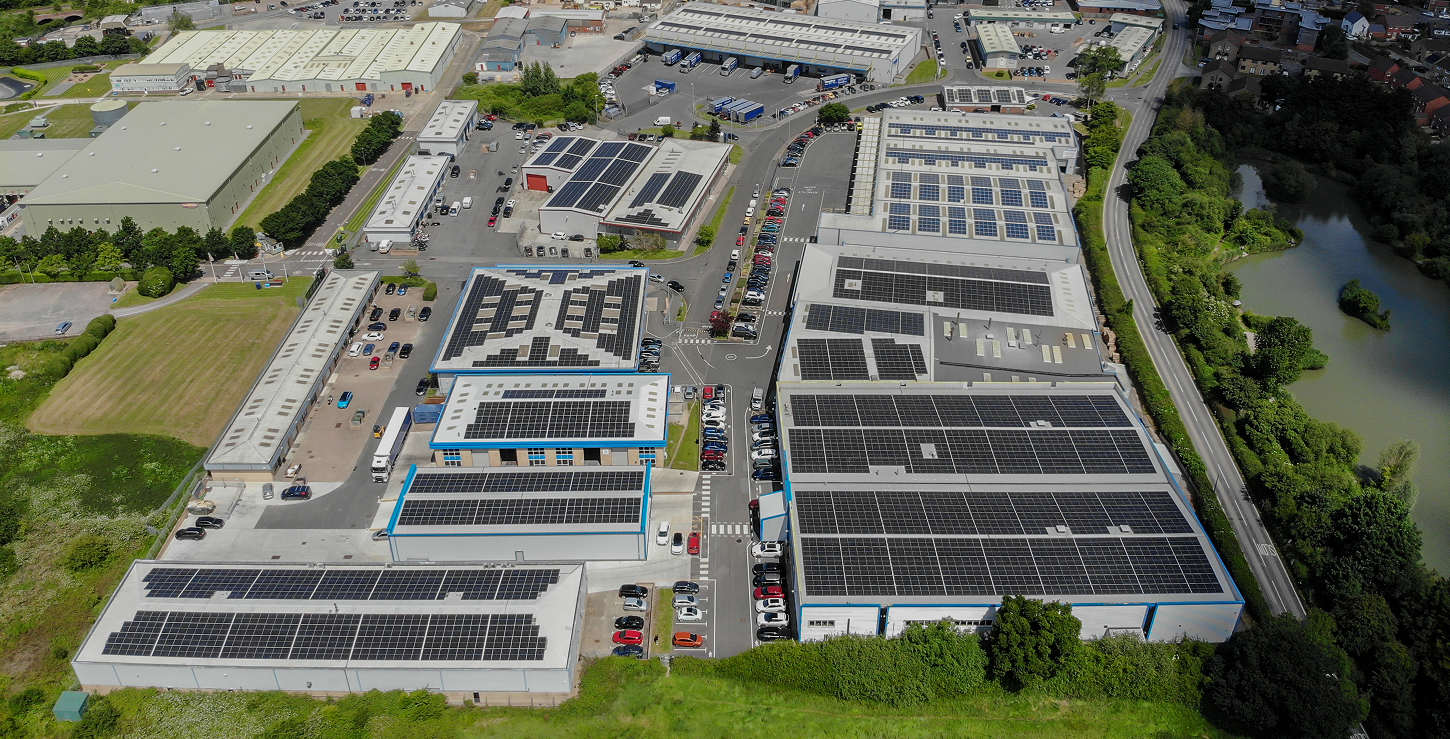
Dextra Group plc is a leading UK manufacturer of energy-efficient lighting, combining high-quality products with exceptional service. We are committed to reducing our environmental impact while supporting and strengthening the communities in which we operate.
A Long-Term Commitment to UK Manufacturing
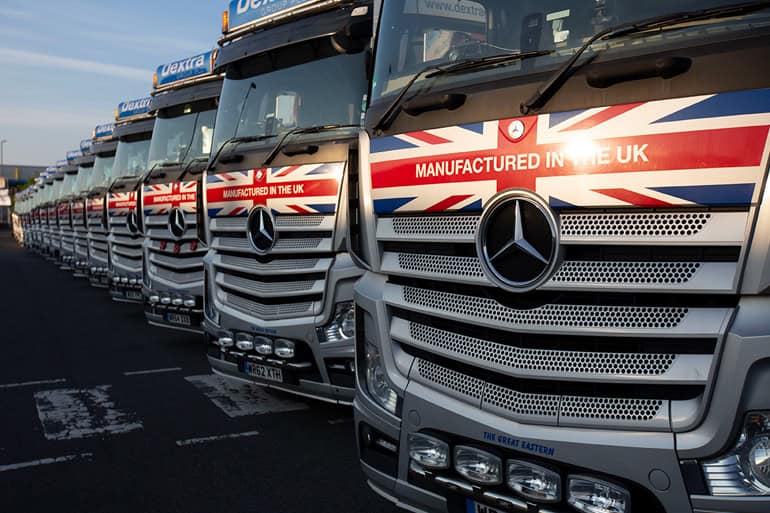
For nearly 50 years, we have remained dedicated to UK manufacturing. This commitment reflects our belief in producing high-quality products locally while maintaining industry-leading service and supporting the national economy.
Embedding Sustainability into Our Approach
Sustainability has long been central to our business philosophy. We continuously seek to reduce our environmental footprint through responsible practices and by evolving alongside changing environmental expectations.
ISO Integrated Management System
Dextra Group is proud to operate an ISO Integrated Management System. The accreditation confirms that Dextra Group meets the highest of international environmental standards.
Embracing the Circular Economy
As global consumption patterns shift, we are focused on minimising waste by adopting circular economy principles. This includes designing products for longevity, repair, and upgrade—delivering lasting value to customers while reducing environmental impact.
Driving Innovation Towards Net Zero
With a strong history of technological innovation and sustainable processes, we are committed to achieving net zero carbon emissions by 2050. This aligns with the United Nations’ Race to Zero and the goal of limiting global warming to 1.5°C, an essential step toward a decarbonised future.
Measuring and Reporting Our Progress
We established 2022 as our benchmark year for measuring our full carbon footprint, including downstream activities. By setting clear objectives and publishing our Streamlined Energy and Carbon Reporting (SECR) and Greenhouse Gas (GHG) emissions annually, we ensure transparency and continuous improvement.
SBTI & UN Global Compact
Dextra Group has committed to set near-term company-wide emission reductions in line with climate science with the SBTi. We are also a proud participant of the UN Global Compact and supports the Sustainable Development Goals (SDGs).
Our sustainability objectives for 2026
- Further tree planting on Exmoor estate in line with current carbon offsetting aims.
- To install a monitoring system for our highest consuming electric plant and water usage in U17 and 18 to find further savings in both electric and water.
- Reduce the waste to landfill to 1.3% of all on-site waste.
- Continued product design focus on retrofit and circular economy.
- Optimising Load Management: Ensuring trucks are loaded to their maximum capacity, reducing fuel consumption per unit of cargo.